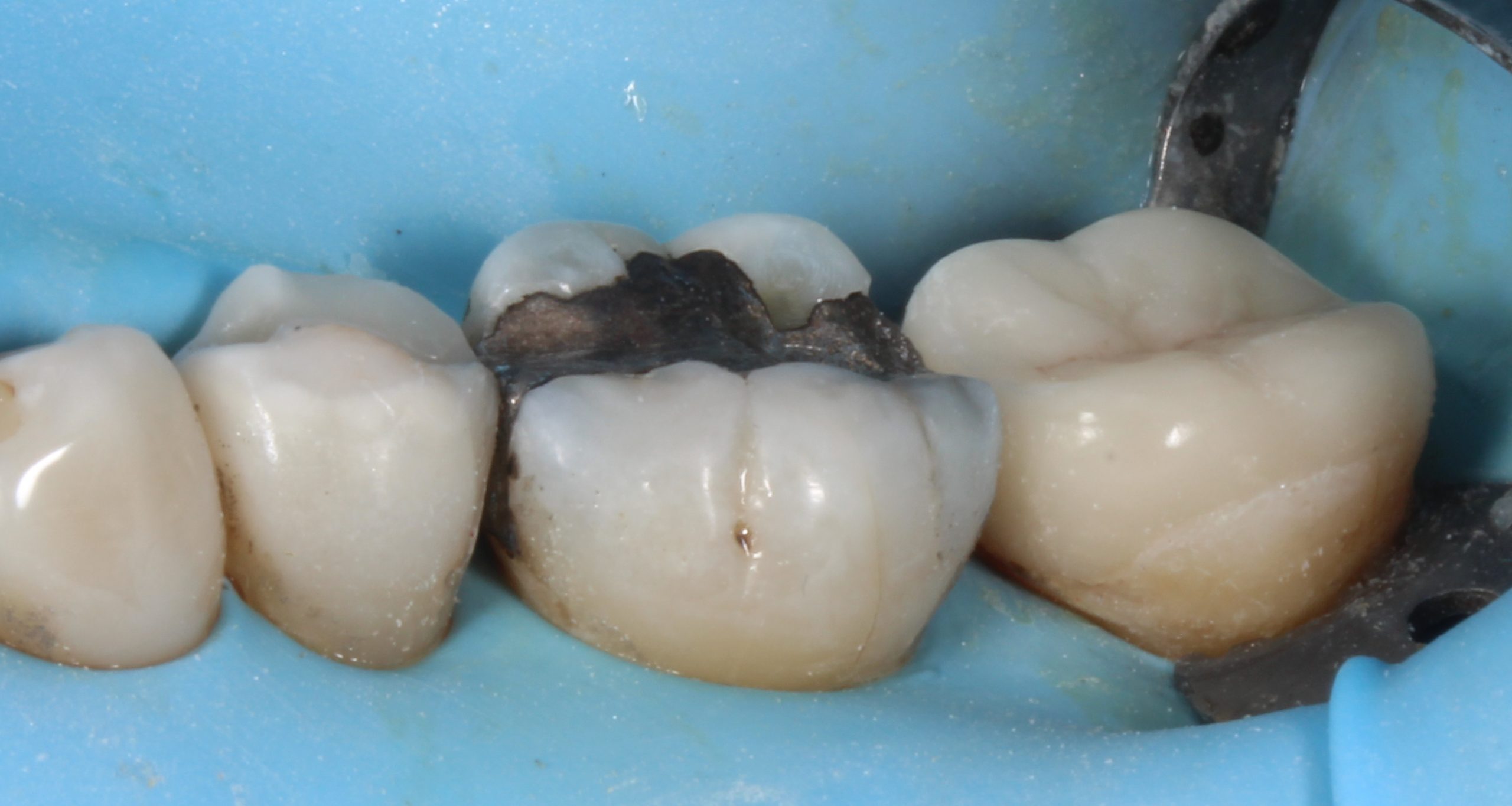
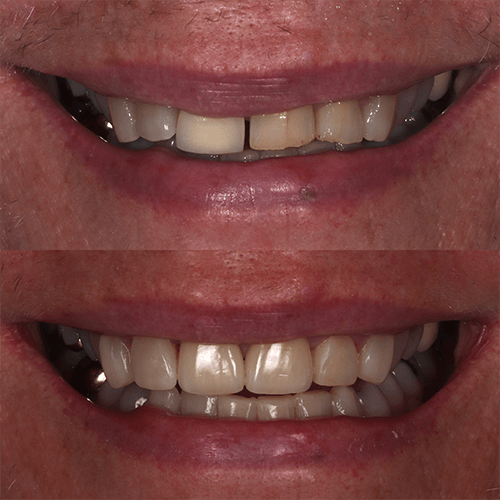
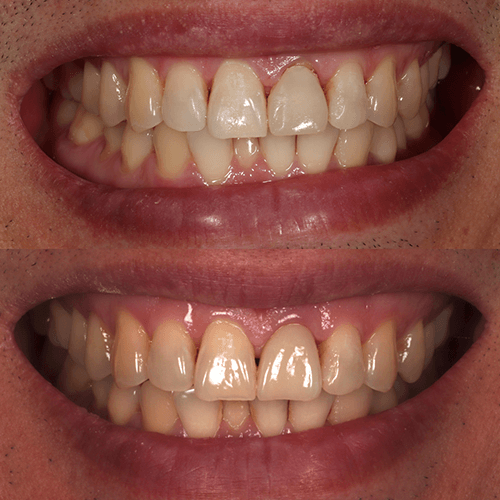
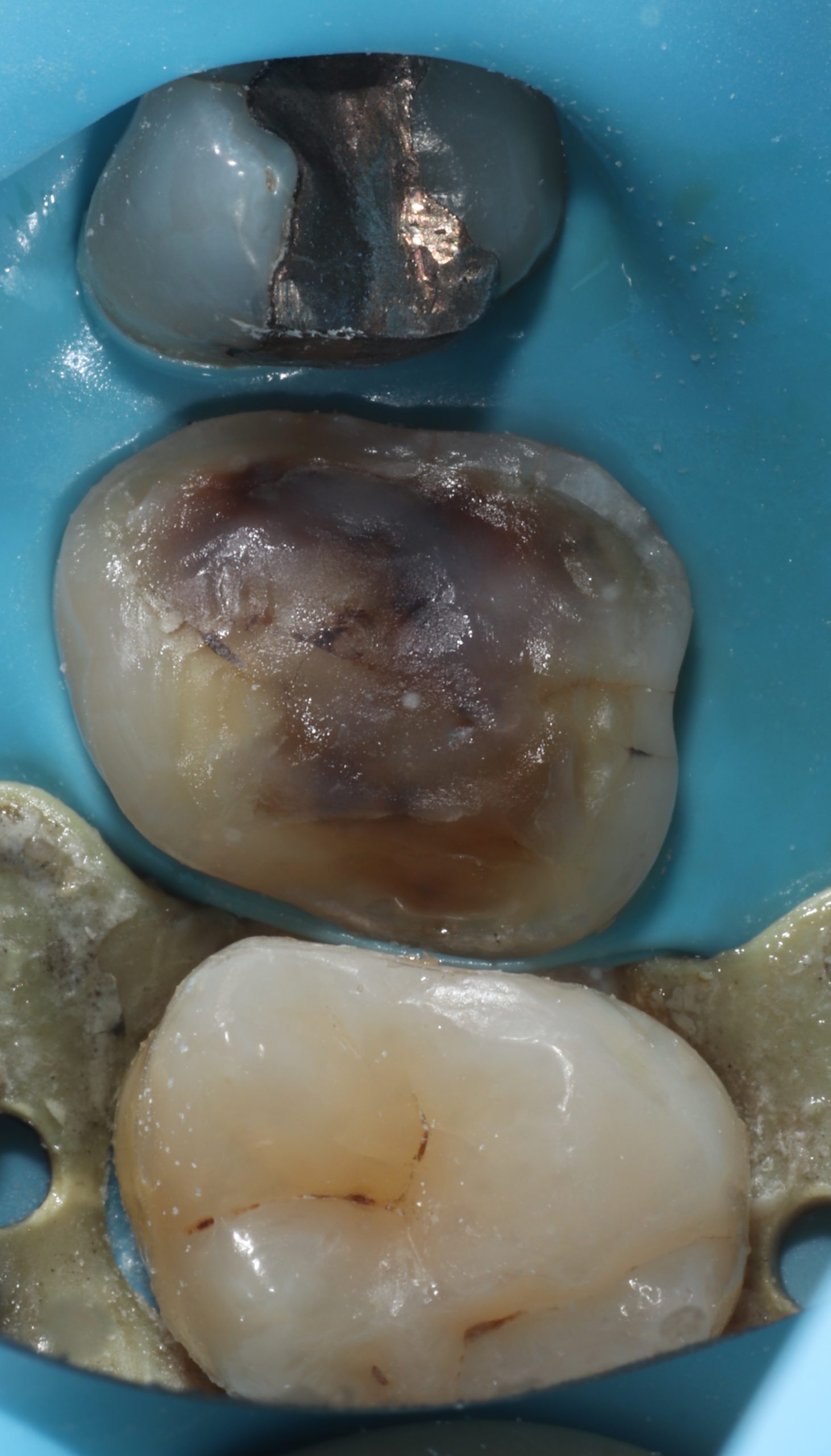
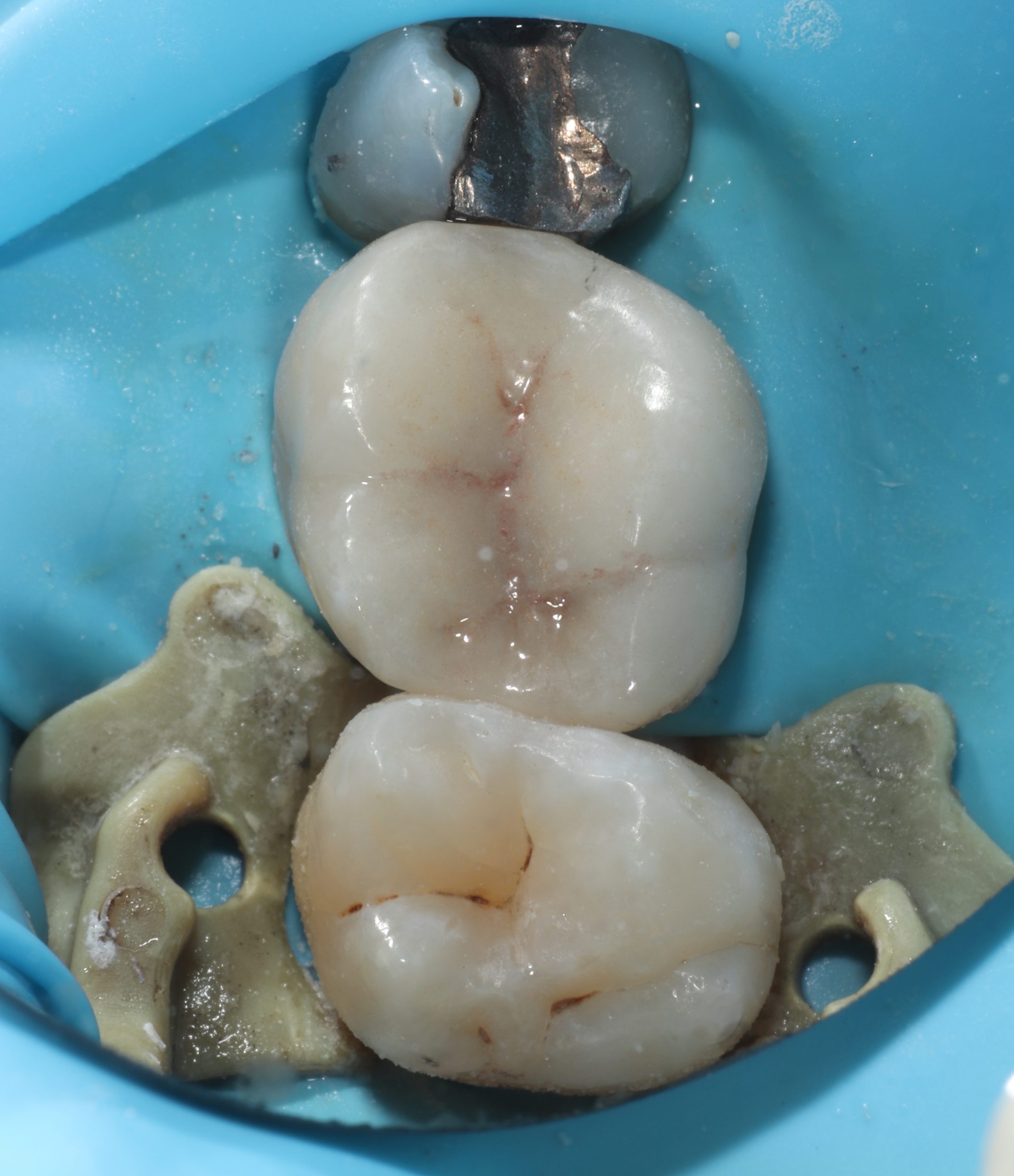
Dental crowns and onlays are restorative treatments used to repair damaged, weakened, or heavily restored teeth. They help restore the tooth’s strength, function, and appearance while preserving as much natural tooth structure as possible.
A crown is a custom-made “cap” that completely covers a tooth. Crowns are commonly recommended for teeth that are cracked, severely worn, heavily filled, or after root canal treatment. They restore full chewing function while protecting the tooth from further damage. Crowns are designed to look and feel like natural teeth and are color-matched for a seamless smile.
An onlay, sometimes called a partial crown, restores only the damaged portion of a tooth rather than covering it entirely. Onlays are ideal when a tooth has moderate damage but still has healthy structure remaining. They provide strength and durability while preserving more of the natural tooth.
…
The process
Consultation & Assessment Your dentist examines the tooth and takes digital X-rays to determine whether a crown or onlay is the best solution. We discuss your treatment options, materials, and expected results.
Tooth Preparation The damaged or weakened portion of the tooth is carefully removed. The tooth is then shaped to allow a precise, comfortable fit for the crown or onlay.
Impressions or Digital Scans Detailed impressions or digital scans are taken and sent to a dental laboratory to create your custom restoration, designed to match your natural teeth in shape and color.
Temporary Restoration A temporary crown or onlay is placed to protect the tooth while your permanent restoration is being crafted.
Custom Fabrication Your crown or onlay is custom-made from durable, high-quality materials such as ceramic for strength and a natural appearance or gold for maximum durability.
Final Placement Once ready, the temporary restoration is removed and the permanent crown or onlay is carefully fitted, adjusted, and securely bonded in place.